One day you notice a small stain forming on the ceiling. At first it seems harmless, but after a heavy rain the spot grows larger. You step outside and look up at the roof that has protected your home for years, and suddenly you begin to wonder how much longer it will last. Roofs quietly endure sun, rain, wind, and changing temperatures every single day. Over time even the strongest materials wear down. Cedar Park Roofing replacement becomes necessary when repairs are no longer enough to protect the home. Understanding the roof replacement process helps homeowners make informed decisions that protect their property and investment.
Understanding the Importance of Roof Replacement
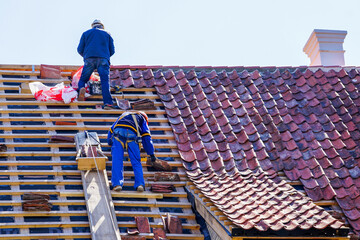
The roof is one of the most critical structural components of any home. It serves as the first line of defense against weather conditions and environmental exposure. A well maintained roof protects the interior of the house, including walls, ceilings, insulation, and electrical systems.
As roofing materials age, they gradually lose their ability to repel water and withstand environmental stress. Small issues such as cracked shingles or weakened flashing can eventually lead to leaks and structural damage. When these problems become widespread, roof replacement becomes the most effective solution.
Replacing a roof restores the protective barrier that shields the home from moisture and temperature extremes. A new roof also improves energy efficiency by helping regulate indoor temperatures more effectively.
In addition to protecting the home, roof replacement enhances the overall appearance of the property. A new roof can dramatically improve curb appeal and increase property value. For homeowners planning to sell in the future, a recently replaced roof can be an attractive feature for potential buyers.
Signs That It May Be Time for a Roof Replacement
Roofs often provide warning signs before complete failure occurs. Recognizing these signs early allows homeowners to plan for replacement before major damage develops.
One of the most obvious indicators is the age of the roof. Most roofing materials have a limited lifespan. As the roof approaches the end of its expected life, the likelihood of widespread deterioration increases.
Missing or damaged shingles are another common sign. Strong winds, storms, and aging materials can cause shingles to crack, curl, or fall away. When these issues affect large portions of the roof, replacement may be necessary.
Leaks inside the home often indicate roofing problems. Water stains on ceilings or walls may suggest that moisture has penetrated the roofing system. Repeated leaks usually signal that repairs alone may not solve the problem.
Another warning sign is granule loss from shingles. These granules protect the surface of roofing materials from sunlight and wear. When they begin to disappear, the shingles may no longer provide effective protection.
Sagging areas in the roof structure are more serious indicators that structural damage may be present. In such cases a full roof replacement is often required to restore safety and stability.
Factors That Influence the Roof Replacement Decision
Several factors influence whether a roof should be repaired or completely replaced. One of the most important considerations is the extent of the damage. Minor localized issues can often be repaired, but widespread deterioration usually requires replacement.
The age of the roof also plays a significant role. If the roofing system is near the end of its lifespan, investing in repeated repairs may not be practical. Replacing the roof provides a long term solution rather than temporary fixes.
Weather exposure can accelerate roofing damage. Homes located in areas that experience frequent storms, intense sunlight, or heavy snowfall may require roof replacement sooner than expected.
The condition of underlying materials is another factor. Roofing systems include layers such as underlayment and decking that support the outer materials. If these components are damaged, replacing the roof ensures that the entire structure is restored.
Budget considerations also influence the decision. While roof replacement represents a larger investment than repairs, it often prevents more costly structural damage in the future.
The Roof Replacement Process
Roof replacement involves several stages that ensure the new roofing system is installed correctly and performs effectively. The process begins with a thorough inspection of the existing roof.
During the inspection, professionals evaluate the condition of shingles, flashing, ventilation systems, and underlying materials. This assessment helps determine the scope of work required.
The next step involves removing the old roofing materials. This stage allows technicians to inspect the roof deck beneath the shingles and identify any hidden damage that may need repair.
Once the old materials are removed, the roof deck is prepared for the new installation. Damaged sections of the deck may be repaired or replaced to provide a stable foundation.
After preparation is complete, a protective underlayment is installed. This layer acts as a barrier that helps prevent moisture from penetrating the roof structure.
The new roofing materials are then carefully installed according to design specifications. Proper alignment and secure fastening ensure that the roof can withstand weather conditions.
Finally, flashing and ventilation components are installed to protect vulnerable areas and maintain proper airflow within the attic space.
Choosing Roofing Materials for Replacement
Roof replacement provides an opportunity to select materials that suit both the design of the home and the local climate conditions. Different roofing materials offer various benefits in terms of durability, appearance, and maintenance.
Asphalt shingles are one of the most widely used roofing materials due to their affordability and versatility. They are available in many colors and styles that complement different architectural designs.
Metal roofing has gained popularity for its durability and resistance to extreme weather conditions. Metal roofs can last for many decades and reflect sunlight effectively, which may improve energy efficiency.
Tile roofing is another option often chosen for its distinctive appearance and long lifespan. These materials can provide excellent durability when installed properly.
Each material offers unique advantages, and the choice often depends on budget, design preferences, and environmental factors.
Selecting high quality materials ensures that the new roof provides long lasting protection and visual appeal.
Benefits of Professional Roof Replacement
Replacing a roof is a complex project that requires experience, proper equipment, and attention to safety. Professional roofing specialists understand the techniques necessary to complete the installation correctly.
Experienced professionals can identify underlying issues that may not be visible during a casual inspection. Addressing these problems during replacement prevents future complications.
Safety is another important reason to rely on professionals. Roof work involves working at significant heights and handling heavy materials. Professionals follow safety procedures that reduce the risk of accidents.
Professional installation also ensures that roofing materials perform as intended. Proper alignment, sealing, and fastening contribute to the durability of the roof.
Investing in professional roof replacement helps ensure that the finished roof provides reliable protection for many years.
Maintaining a New Roof After Replacement
Once a roof has been replaced, regular maintenance helps preserve its condition and extend its lifespan. Periodic inspections allow homeowners to identify minor issues before they become serious problems.
Cleaning gutters and removing debris from the roof surface help maintain proper drainage. Water should be able to flow freely away from the roof to prevent moisture buildup.
Trimming tree branches that hang over the roof reduces the risk of physical damage during storms. It also prevents leaves from accumulating on the roof surface.
Monitoring attic ventilation ensures that heat and moisture do not become trapped beneath the roof. Proper ventilation helps maintain the stability of roofing materials.
By maintaining the roof properly, homeowners can maximize the value of their investment and ensure long term protection.
Conclusion: Protecting Your Home Through Roof Replacement
Roof replacement is one of the most important investments a homeowner can make to protect their property. Over time roofing materials naturally wear down and lose their ability to withstand weather conditions.
Recognizing the signs of roof deterioration and understanding the replacement process helps homeowners take action before serious damage occurs. A new roof restores the structural protection of the home while improving its appearance and energy efficiency.
With proper installation and regular maintenance, a replaced roof can provide decades of reliable protection. Investing in roof replacement not only safeguards the home but also provides peace of mind knowing that the structure is prepared to face the elements for many years to come.