It often begins with a small sign that something is wrong. A few ants appear in the kitchen, a scratching sound comes from the attic, or a cockroach quickly disappears under a cabinet when the lights turn on. At first the issue may seem minor, but pests rarely remain small problems. Infestations can grow quickly and cause damage to property while creating serious health concerns. When this happens, homeowners often begin to ask an important question. How much does pest control cost and what factors affect the price? Understanding Pest Control Stuart costs helps homeowners make informed decisions about protecting their homes.
Why Pest Control Is a Necessary Investment
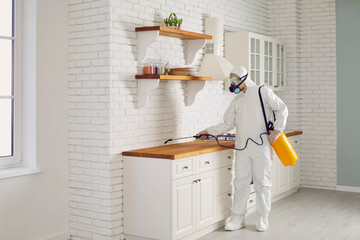
Pest control is more than a service that removes unwanted insects or rodents. It is an important step in maintaining a safe and healthy home. Many pests carry bacteria or allergens that can affect indoor air quality and contaminate food preparation areas.
Rodents may chew through electrical wiring, insulation, and wooden structures. Termites can weaken the structural integrity of a building by feeding on wood. Cockroaches and other insects may spread harmful microorganisms throughout the home.
Ignoring pest problems can lead to expensive repairs later. Damage caused by pests may not always be visible until the problem becomes severe. Early intervention often prevents more serious infestations and reduces long term expenses.
Although pest control involves a financial cost, it is often far less expensive than repairing the damage that pests can cause. Investing in professional pest management protects both property and health.
Factors That Influence Pest Control Cost
The cost of pest control services varies depending on several factors. One of the most significant factors is the type of pest involved. Different pests require different treatment methods, and some infestations are more difficult to eliminate than others.
For example, ants and minor insect problems may require simple treatments that are relatively quick to perform. In contrast, termite infestations often require specialized techniques and extensive inspection, which can increase the overall cost.
The severity of the infestation also plays a major role. A small and localized problem is generally easier to treat than a widespread infestation that has been developing for a long time. Severe infestations may require multiple visits and additional treatments.
Property size is another factor that affects cost. Larger homes or commercial spaces require more time and materials to inspect and treat effectively. Areas such as basements, attics, and crawl spaces may also increase the complexity of the service.
The method of treatment used can influence the final price as well. Some treatments involve specialized equipment or long term monitoring systems that require additional resources.
Understanding these factors helps homeowners see why pest control costs can vary between different situations.
Types of Pest Control Services and Their Costs
Pest control services are available in several forms depending on the needs of the property. Each type of service has its own cost considerations.
One time pest control treatments are commonly used when a homeowner notices a specific pest problem. These services involve inspecting the property, applying treatment, and addressing the immediate infestation.
Recurring pest control services are designed to provide ongoing protection. In this arrangement technicians visit the property regularly to inspect for pests and apply preventative treatments. This type of service is often used by homeowners who want consistent protection throughout the year.
Specialized pest treatments may be required for certain pests such as termites, bed bugs, or rodents. These infestations often involve detailed inspections and targeted solutions that address the specific behavior of the pest species.
Emergency pest control services may also be necessary in cases where an infestation becomes severe or poses an immediate health risk. These services typically involve urgent inspections and rapid treatment to contain the problem.
The type of service selected will influence the overall cost, as each approach involves different levels of effort and resources.
The Role of Inspection and Diagnosis
Inspection is one of the most important parts of professional pest control. Before any treatment begins, technicians must identify the pest species and determine the extent of the infestation.
A thorough inspection allows professionals to locate nests, entry points, and areas where pests are most active. This information helps create a treatment plan tailored to the specific situation.
Inspection may include examining walls, attics, basements, and exterior areas of the property. Technicians look for signs such as droppings, damage, and unusual odors that indicate pest activity.
Although inspections may contribute to the overall cost of pest control services, they play a vital role in ensuring that treatments are effective. Without proper diagnosis, treatments may not fully address the underlying problem.
Investing in professional inspection often saves money in the long run by preventing ineffective or unnecessary treatments.
Preventative Pest Control and Long Term Savings
Many homeowners focus on pest control only when an infestation occurs. However, preventative pest management can be a more cost effective strategy over time.
Preventative services aim to stop pests from entering the home in the first place. Technicians may seal entry points, recommend sanitation improvements, and apply protective treatments around the property.
Routine inspections help identify early signs of pest activity before infestations grow. Addressing small problems quickly reduces the likelihood of extensive treatments later.
Preventative pest control can also help maintain property value. Homes that are well protected from pests are less likely to suffer structural damage or sanitation issues.
While preventative services involve regular costs, they often reduce the need for expensive emergency treatments. Many homeowners find that ongoing protection provides both financial and practical benefits.
Additional Costs to Consider
In some cases, pest control may involve additional expenses beyond basic treatment. Repairs may be necessary if pests have caused damage to structural components or insulation.
For example, rodents may chew through wiring or drywall, requiring repairs after the infestation is removed. Termite damage may require structural reinforcement or replacement of wooden components.
Cleaning and sanitation services may also be recommended if pests have contaminated certain areas of the home. Removing droppings and disinfecting affected surfaces helps restore a safe living environment.
Homeowners may also choose to invest in preventative upgrades such as improved sealing, ventilation improvements, or landscaping adjustments to discourage pests from returning.
Considering these additional costs helps homeowners prepare for the full scope of pest management.
Choosing the Right Pest Control Service
Selecting a reliable pest control professional is an important step in managing pest problems effectively. Experienced technicians understand the behavior of different pests and know how to apply treatments safely and efficiently.
When evaluating pest control providers, homeowners should consider factors such as experience, inspection methods, and treatment strategies. Clear communication about costs and services helps ensure that expectations are understood.
Professional pest control services often provide guarantees or follow up visits to ensure that treatments are successful. This level of support offers additional peace of mind.
Choosing the right service provider ensures that pest problems are handled thoroughly and responsibly.
Conclusion: Understanding the Value Behind Pest Control Costs
Pest control costs can vary depending on the type of pest, the severity of the infestation, and the size of the property. While these services involve an investment, they provide essential protection for homes and families.
Addressing pest problems early prevents damage, protects health, and maintains a clean living environment. Preventative pest management can also reduce long term expenses by stopping infestations before they begin.
By understanding the factors that influence pest control costs, homeowners can make informed decisions about protecting their property. Investing in professional pest management is ultimately an investment in safety, comfort, and peace of mind.